


Historical Sites of Takhar Province
Historic City of Khulm (Ancient Tashqurghan)
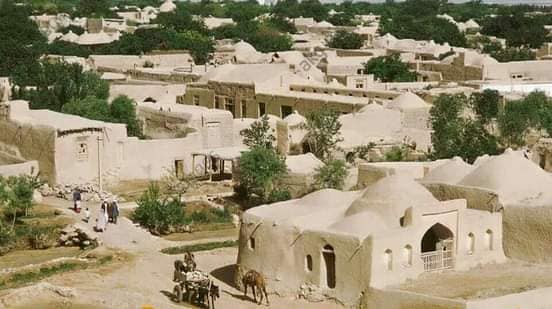
Khulm is one of the oldest and most significant cities in northeastern Afghanistan. Historically, it was located along the Silk Road and served as an important commercial and cultural hub. During the Kushan Empire and subsequent Islamic periods, the city held great strategic and economic importance. Remains of defensive walls, caravanserais, and mud-brick forts vividly illustrate the city’s thriving past. The traditional Khulm bazaar, with its historic shops, reflects the style of Central Asian markets. Beyond commerce, Khulm was also a cultural and religious center, connected to major Asian and Islamic civilizations.
Ancient City of Aq Tapeh
Aq Tapeh, located in Rustaq district, Takhar, is one of the most important archaeological sites in the region. Multiple layers of ancient civilizations have been identified here, including artifacts from pre-Islamic and even pre-Christian eras. Discoveries such as colorful pottery, stone tools, and human and animal bones provide evidence of early settlements and the rich cultural heritage of this area. The site’s geographical location and connections to ancient Central Asian civilizations make it particularly unique and valuable for historical research.

Shrine of Hazrat Luqman, Taloqan
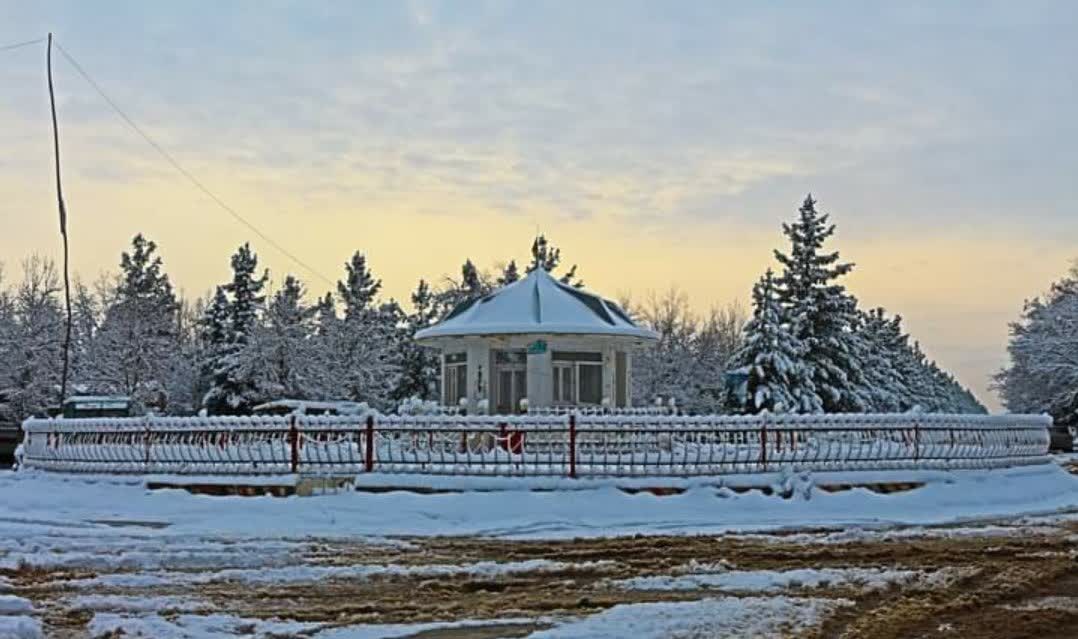
The Shrine of Hazrat Luqman in Taloqan is a major spiritual and religious site in the region. Although historical documentation linking the shrine directly to Hazrat Luqman is limited, the site holds a special place in the hearts of local people. The shrine itself is simple yet beautiful, surrounded by ancient trees and traditional gardens. It serves as both a religious attraction and a symbol of the community’s connection to regional spiritual and historical traditions. Preserving this shrine helps maintain the cultural and religious identity of the area.
Historical Mounds of Ishkashm
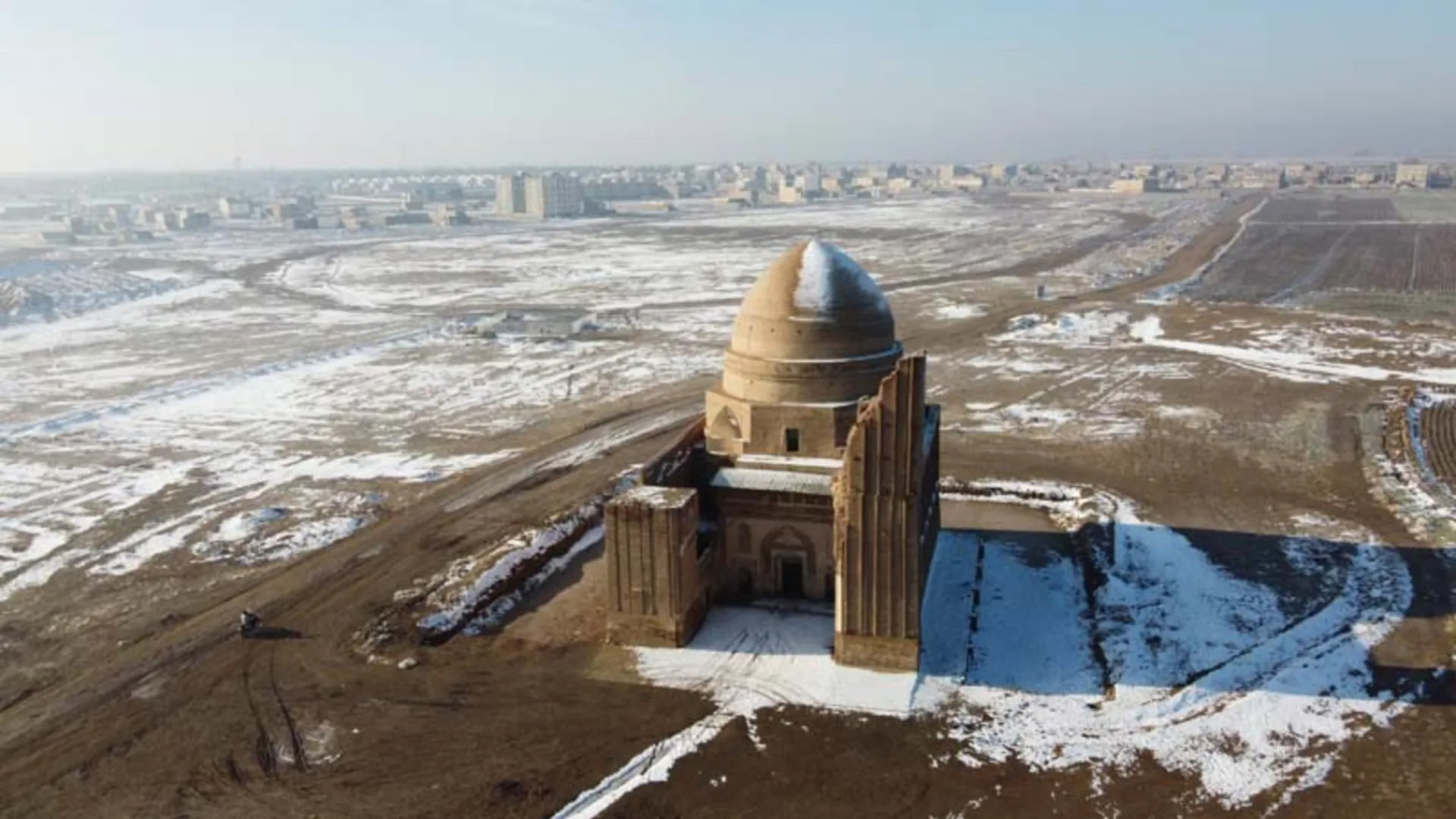
In Ishkashm district, Takhar, several ancient mounds have been discovered, representing important artifacts from the Neolithic and Bronze Age. Excavations have uncovered stone tools, handmade pottery, and animal bones, indicating human settlement thousands of years ago. Many of these mounds remain partially unexplored, offering significant opportunities for archaeologists and researchers to uncover the early history of the region and trace the evolution of human civilizations.
Ruins of Dasht Qala
The ruins of Dasht Qala in Dasht Qala district, Takhar, include defensive forts, watchtowers, and mud-brick walls dating back to medieval local governance periods. These structures were built for protection against potential attacks and remain standing despite the passage of centuries. Archaeological studies of these ruins provide a clear insight into the military and social architecture of the time and can help reveal further details about the region’s historical and cultural development.




لا تعليق