


Historical Sites of Ghoor Province
Minaret of Jam
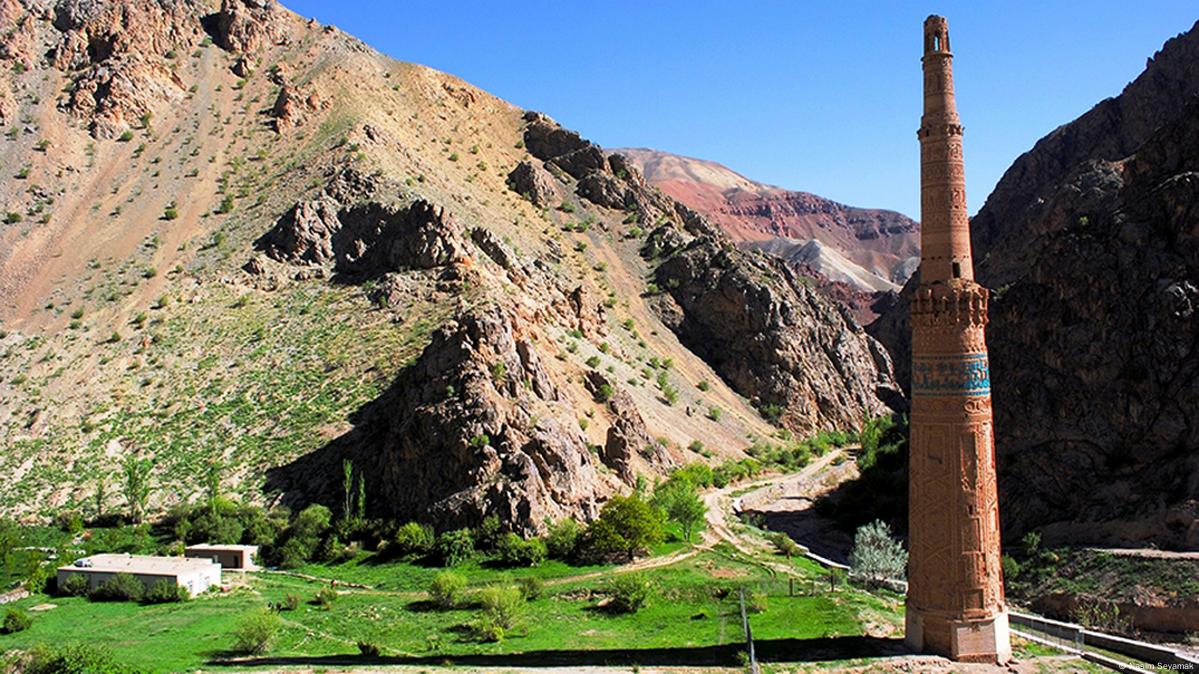
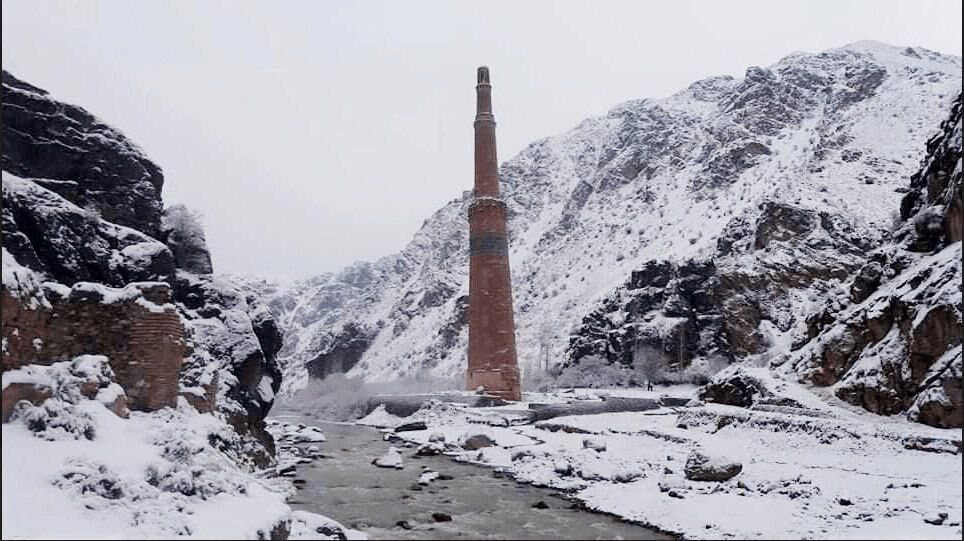
The Minaret of Jam is one of Afghanistan’s most magnificent historical monuments, located in Shahrak District, Ghor Province, at the confluence of the Jam and Hari Rivers. Standing at approximately 65 meters, it was constructed in the 12th century during the reign of Sultan Ghiyath al-Din Ghori. Built from baked bricks and clay, the minaret is adorned with turquoise tiles, intricate geometric patterns, and Quranic inscriptions in Kufic and Naskh scripts.
Artistically and architecturally, the Minaret of Jam represents a masterpiece of Islamic art and reflects the peak of craftsmanship during the Ghurid period. Its location in a deep valley within a mountainous region adds to both its beauty and vulnerability. Unfortunately, the monument faces threats from floods, earthquakes, natural erosion, and illegal excavations. Despite its listing as a heritage site at risk, comprehensive protective measures remain limited, leaving it in a concerning condition.
Historic City of Firozkoh
Firozkoh, the historical center of Ghor, is one of Afghanistan’s oldest cities. During the medieval period and the Ghurid dynasty, it served as the capital, acting as a hub for civilization, trade, and scholarship. Today, remnants of fortified walls, ancient streets, and Islamic architectural structures survive, testifying to the city’s former glory.

Historical Forts in Ghor
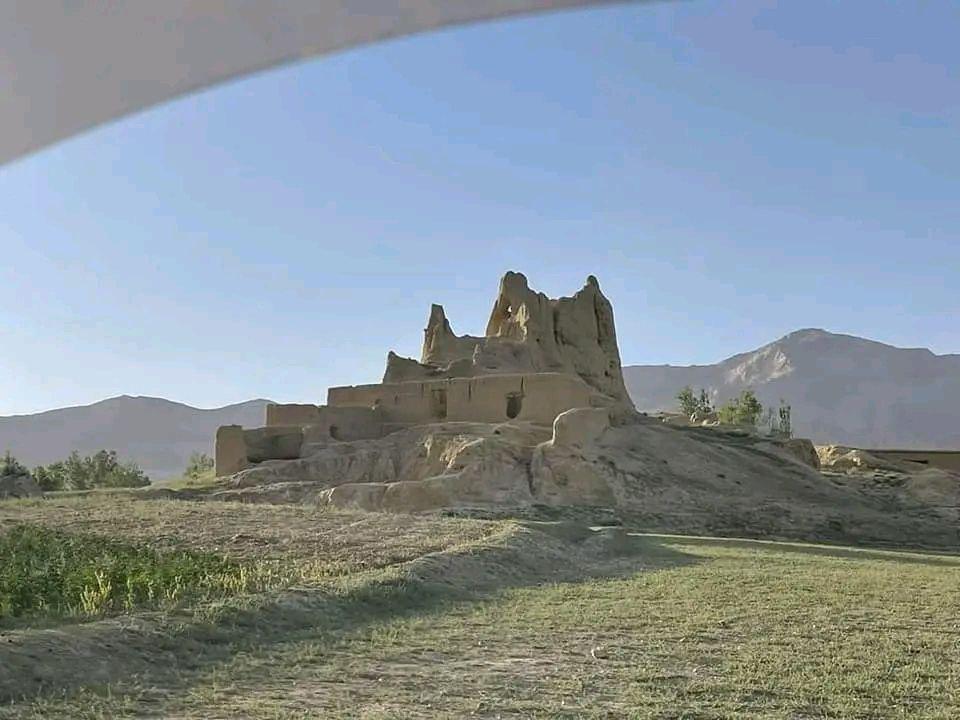
Across Ghor Province, numerous historical forts from various periods remain. These forts were often constructed atop elevated terrain and along difficult mountain passes to serve defensive and military purposes. Some forts have survived through centuries and are recognized as symbols of local resilience and strategic importance.
Tomb of Sultan Ibrahim
Located in the heart of Firozkoh, the tomb of Sultan Ibrahim ibn Husayn Ghori commemorates one of the prominent Ghurid kings. The tomb features simple yet majestic architecture, reflecting Islamic art and regional style. Sultan Ibrahim played a key role in consolidating the Ghurid dynasty, and his tomb remains both a historical monument and a cultural-religious site for local communities.
Ancient Mounds in Tulak District
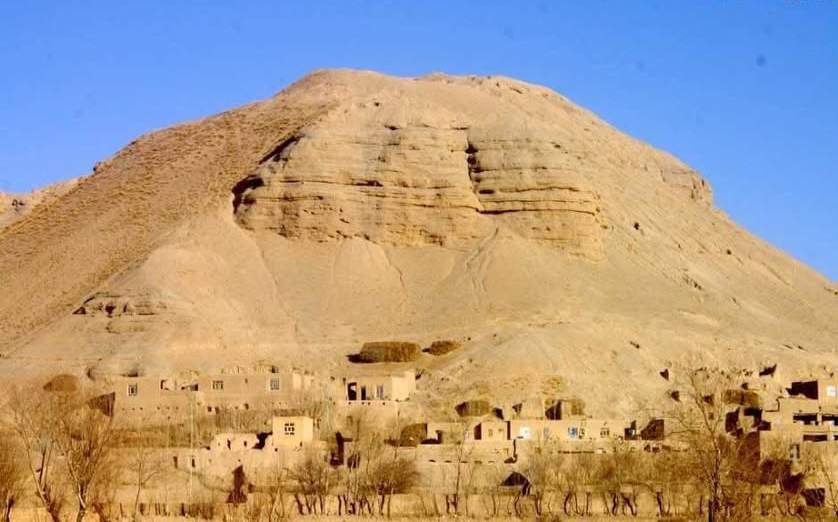
In Tulak District, numerous ancient mounds have been discovered, containing artifacts from prehistoric civilizations. These include roughly baked pottery, early stone tools, and remnants of residential structures, indicating that the region was inhabited from the Neolithic to the Bronze Age.
Buddhist Stupas in Andar Region
The Andar region of Ghor hosts a collection of Buddhist stupas dating back to the pre-Islamic period. These religious structures confirm the strong presence of Buddhism in ancient Ghor. Surviving statues and religious symbols from these stupas underscore the spiritual and cultural significance of the region in the history of religions.
Historical Forts in Dultiar District
In Dultiar District, several ancient forts once served as administrative and military centers. Their solid construction and strategic locations indicate Dultiar’s historic role in protecting trade and military routes in Ghor. Today, these forts are recognized as important historical tourist sites.


لا تعليق