


Historical Sites of Ghazni Province
Historic City of Ghazni (Ancient Ghazni)
The historic city of Ghazni served as the capital of the Ghaznavid dynasty during the 11th and 12th centuries. It was a major scientific, cultural, and commercial center of its time. Remnants of fortified walls, city gates, historic mosques, and royal complexes still survive, reflecting the grandeur and splendor of that era. Notably, the remains of royal palaces and ancient architectural ensembles highlight the city’s historical importance. Many of these sites are under conservation or restoration to prevent further deterioration and can serve as attractive destinations for cultural tourism, given Ghazni’s strategic location on historic trade and cultural routes.

Great Mosque of Ghazni
The Great Mosque of Ghazni, located in the city center, is one of the oldest mosques in Afghanistan. Built during the Ghaznavid era, its architecture features beautiful tile work and a simple yet majestic design. Restoration efforts are ongoing to preserve its original architectural features. The mosque remains a significant religious site for Afghan Muslims and a key location for cultural and religious tourism.
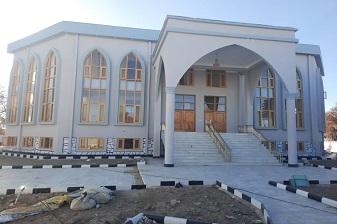
Dome of Sultan Mahmud Ghaznavi
The Dome of Sultan Mahmud Ghaznavi, adjacent to the Great Mosque, is the tomb of Sultan Mahmud Ghaznavi, the founder of the Ghaznavid dynasty. Constructed with stone and brick, the architecture combines Persian and Indian styles, reflecting the cultural diversity of the Ghaznavid period. This dome serves as an important historical and architectural landmark. Visiting is recommended during specific hours to enjoy both the beauty of the dome and the tranquil surroundings.

Ancient Stupas around Ghazni
In the vicinity of Ghazni, numerous ancient stupas from pre-Islamic times have been discovered. Originally built for the preservation of sacred relics or ashes, these stupas were historically centers of worship. Recent excavations provide valuable insights into Afghanistan’s pre-Islamic religious and cultural history. They are excellent sites for cultural and historical tourism, particularly for those interested in Buddhist heritage. Guided tours can enhance visitor experience.

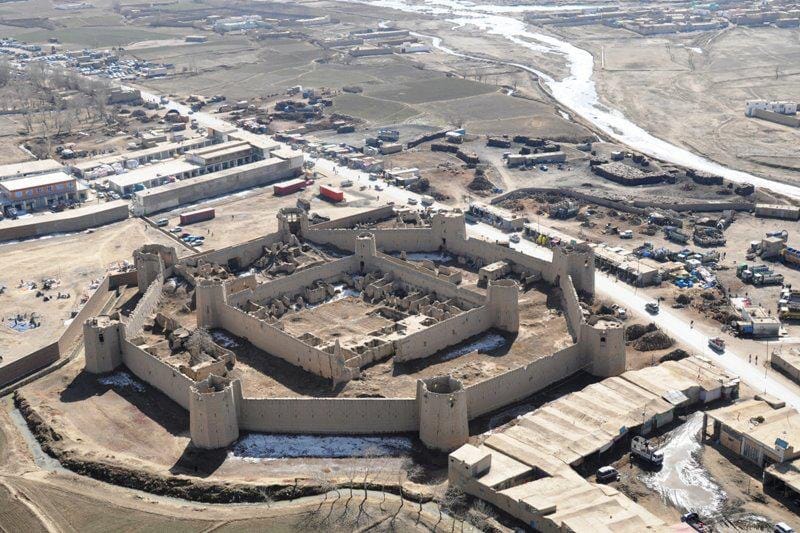
Ghazni Citadel (Qala-e-Ghazni)
The Ghazni Citadel, located in the city’s heart, has served as a residence for rulers and governors throughout history. Portions of the citadel are accessible to visitors, offering a glimpse into defensive architecture from various historical periods. This site can also be used for cultural and educational programs focusing on Ghazni’s historical and architectural heritage.
Historical Mounds in Jaghato District
In Jaghato district, numerous ancient mounds have been unearthed, containing remains of human settlements from prehistoric and Islamic periods. Artifacts such as stone tools and pottery illustrate the long history of human habitation. Ongoing archaeological excavations continue to reveal information about Ghazni’s ancient communities, making these mounds ideal sites for archaeology enthusiasts.
Historical Tombs in Giro District
In Giro district, several tombs dating back to different historical periods exist, some of which belong to prominent figures in Ghazni’s history. These tombs serve as religious and cultural sites, offering visitors both spiritual significance and historical context.




لا تعليق